
Understanding cultural differences in casino experiences around the world
The Global Landscape of Casino Culture
The casino culture is deeply influenced by a nation’s history, traditions, and social norms. In the United States, for instance, casinos often embody a vibrant nightlife where players congregate to socialize and enjoy the thrill of gambling. The glitzy Las Vegas Strip serves as a prime example of how casino experiences are designed to captivate, with extravagant shows and luxurious accommodations complementing the gaming experience. In contrast, in places like Macau, casinos have evolved into opulent entertainment complexes that attract millions of visitors annually, showcasing a blend of Western gaming elements and Eastern hospitality. New players, for example, can maximize their enjoyment while exploring the site by checking out fishing game casino malaysia, which provides insights and strategies for success.
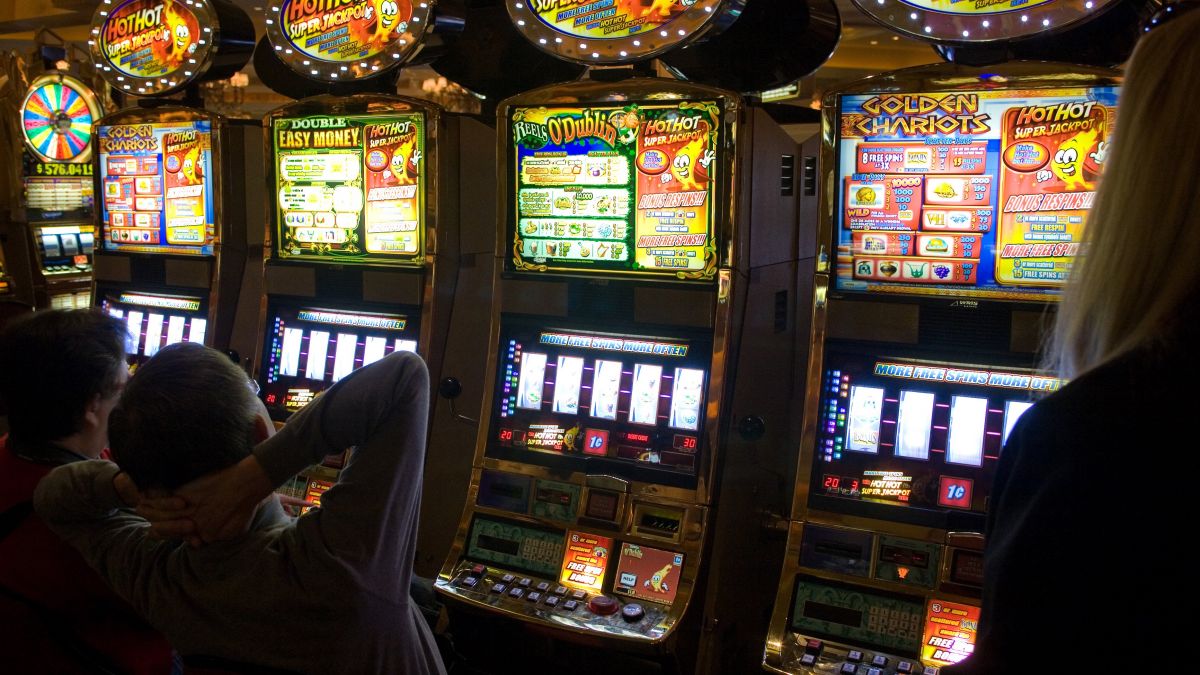
In Europe, casino culture varies dramatically, shaped by local laws and customs. The Monte Carlo Casino in Monaco reflects a sophisticated and elite atmosphere, where patrons often dress in formal attire, emphasizing the importance of social status. Conversely, the UK’s betting shops present a more casual approach, catering to a broader demographic and fostering a more relaxed gambling experience. Understanding these cultural nuances is crucial for anyone looking to navigate the global casino scene effectively.
Moreover, the growth of online casinos has added another dimension to how cultural differences manifest in gambling experiences. Players from different regions often gravitate toward platforms that reflect their values and preferences. For instance, Asian markets may prefer games that incorporate elements of skill or strategy, while Western audiences may favor chance-based games. This shift in preference is reshaping the landscape, as operators seek to tailor experiences that resonate culturally with diverse audiences.
Cultural Attitudes Toward Gambling
Cultural attitudes toward gambling can significantly influence how casinos operate and how games are played. In some cultures, such as those in parts of Asia, gambling is often seen as a taboo or vice, which can lead to stricter regulations and a focus on responsible gambling initiatives. This contrasts sharply with cultures like those in the US and UK, where gambling is widely accepted and seen as a form of entertainment. This acceptance fosters a vibrant gaming industry that thrives on innovation and competition, encouraging the growth of both land-based and online casinos.
The implications of these attitudes extend beyond just regulation; they shape the very nature of casino experiences. In regions where gambling is celebrated, you might find casinos that host extravagant events and promotions that celebrate local festivals or holidays. Conversely, in cultures where gambling is frowned upon, casinos may adopt a more subdued and respectful approach, often focusing on non-gaming entertainment options to attract visitors. This balancing act between cultural values and entertainment needs is crucial for casino operators worldwide.
Additionally, cultural perceptions influence the types of games that are popular in different regions. For example, games of chance like slots may be favored in places with a more liberal attitude towards gambling, while strategy-based games like poker may dominate in cultures that value skill and intellect. Understanding these preferences can help casino operators tailor their offerings and marketing strategies to resonate with local audiences, enhancing player engagement and satisfaction.
The Role of Technology in Bridging Cultural Gaps
As technology continues to evolve, it plays a pivotal role in bridging cultural differences in the casino industry. Online casinos, in particular, have transformed how players engage with games, offering a platform where diverse audiences can connect. With live dealer games and virtual reality experiences, players from different cultural backgrounds can enjoy traditional games in a new format that aligns with modern expectations. This technological integration allows for a more inclusive environment that appeals to a broader demographic.
Moreover, advancements in mobile technology have empowered players to gamble from anywhere, further transcending cultural barriers. Players can choose platforms that resonate with their specific cultural values while enjoying the convenience of gambling on their terms. This flexibility is particularly appealing in regions where traditional casinos are less accessible, enabling individuals to participate in the gaming experience while maintaining a sense of cultural identity.
Additionally, many online casinos are prioritizing localization, offering games and interfaces tailored to the unique preferences of different markets. This includes language options, payment methods, and promotional strategies that reflect local customs. By embracing technology and localization, casinos can create experiences that resonate with players, fostering a sense of belonging and community among diverse audiences.
Social Responsibility and Cultural Sensitivity
Social responsibility is a critical component of the casino industry, particularly as it relates to cultural sensitivity. Casinos must navigate the fine line between promoting entertainment and addressing the potential for gambling addiction and associated social issues. In regions where gambling is controversial, casinos often invest in community initiatives that emphasize responsible gambling practices and provide resources for individuals struggling with addiction. This commitment to social responsibility is essential for maintaining a positive image and ensuring the sustainability of the industry.
Furthermore, cultural sensitivity extends to the way casinos market their services. Understanding the historical context and societal implications of gambling in various regions is vital for crafting messages that resonate positively with potential players. Casinos that adopt culturally aware marketing strategies can create an inclusive atmosphere that respects local traditions while promoting their offerings, ultimately enhancing player loyalty and trust.
Additionally, partnerships with local organizations can bolster a casino’s commitment to social responsibility. By collaborating with community groups, casinos can address broader social concerns related to gambling, ensuring that they are perceived as contributing positively to society. This collaborative approach not only strengthens community relations but also fosters an environment where players feel respected and valued, regardless of their cultural background.

Exploring Online Gaming Experiences
As the online gaming industry continues to flourish, understanding cultural differences becomes crucial for players and operators alike. For instance, online platforms like Ice Fishing Malaysia cater specifically to local audiences by offering games that reflect regional preferences. This tailored approach enhances player engagement, making online gaming experiences feel more relatable and culturally relevant. With dedicated guides and gameplay strategies, players can navigate the intricacies of these games with confidence.
Furthermore, the integration of features like spectator mode appeals to new players, allowing them to observe experienced gamers without the pressure of immediate participation. This not only fosters a welcoming atmosphere but also encourages learning and skill development, ensuring that players from diverse backgrounds feel empowered to join in the fun. The potential for high winnings, such as 5000x one’s stake, adds an exciting layer to the experience that attracts a wide range of participants.
Additionally, platforms that prioritize fast withdrawal options cater to the varying expectations of players across different cultures. In some regions, players may expect quick access to their funds as a standard practice, while in others, a more traditional approach might be acceptable. By accommodating these preferences, online casinos can enhance user satisfaction and ensure a seamless gaming journey, ultimately fostering a loyal player base that appreciates cultural understanding.