
Understanding the psychological triggers that drive gambling behavior in casinos
The Allure of Casinos: An Introduction to Gambling Psychology
Casinos have long fascinated people, drawing them in with vibrant lights, sounds, and the thrill of potentially winning big. This allure is not merely superficial; it taps into deep-seated psychological triggers that govern human behavior. The environment is engineered to evoke excitement, creating a sense of urgency and anticipation that can be irresistible. If you’re looking for comprehensive resources, visit all uk betting sites to enhance your experience. Understanding these psychological mechanisms is essential for both players and industry stakeholders, as it unveils the complex interplay of emotions that drive gambling behavior.

One significant psychological trigger is the excitement associated with risk-taking. Humans are inherently attracted to activities that involve uncertainty and the possibility of high rewards. This thrill is magnified in casinos where every spin of a slot machine or roll of the dice comes with the promise of fortune. The excitement can lead players to lose track of time, immersing them in a state that behavioral scientists refer to as “the zone,” where rational decision-making may be compromised.
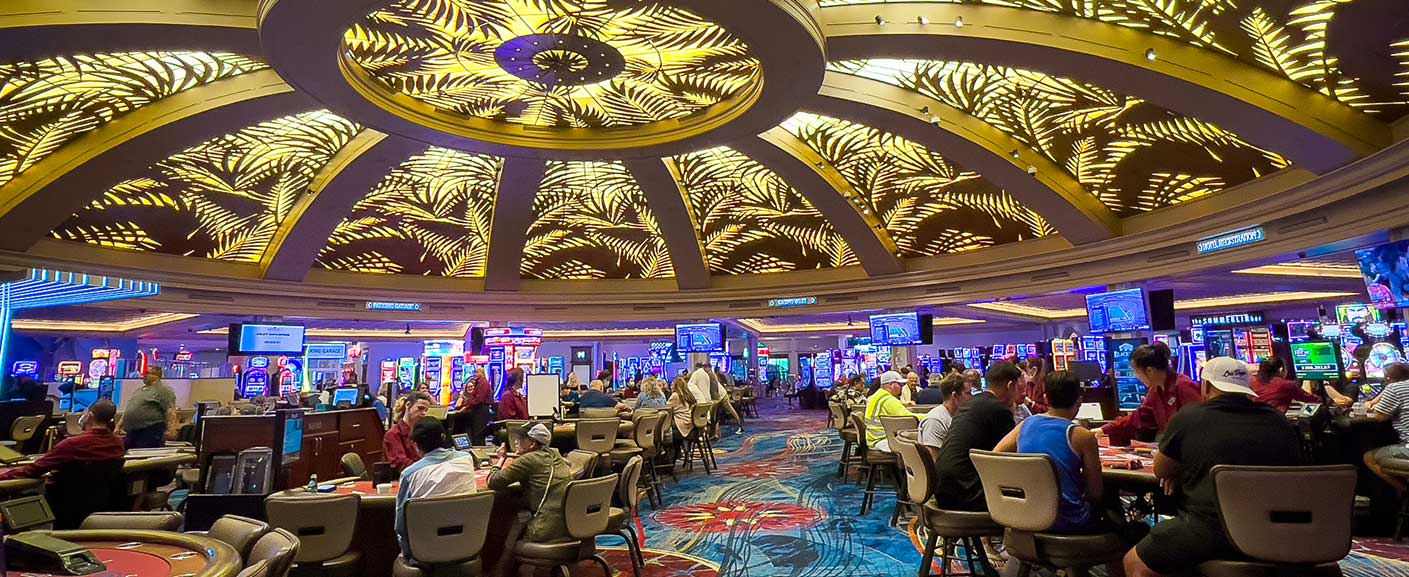
Moreover, casinos are designed to minimize external distractions and promote focus on gambling activities. The lack of windows, controlled lighting, and strategic soundscapes foster an environment that encourages prolonged engagement. This careful orchestration of sensory stimuli plays a crucial role in reinforcing gambling behavior, making players less aware of their surroundings and more absorbed in the gaming experience.
The Role of Cognitive Biases in Gambling
Cognitive biases significantly influence gambling behavior by distorting players’ perceptions of odds and outcomes. One of the most prevalent biases is the illusion of control, which leads players to believe they can influence random outcomes through skill or strategy. For instance, a poker player might feel that their experience gives them an edge, even in games dominated by chance. This belief can perpetuate gambling, as players often continue to bet, convinced that a win is just around the corner.
The gambler’s fallacy is another cognitive bias that profoundly impacts decision-making. This phenomenon occurs when players mistakenly believe that past outcomes affect future results. For example, a player might avoid betting on a certain number in roulette after it has appeared frequently, thinking it is “due” to lose. Such misconceptions can lead to irrational betting patterns, resulting in increased losses over time.
Additionally, near-miss experiences can amplify gambling behaviors. A player might lose a game by a narrow margin, leading them to perceive that success is imminent. This emotional response can drive them to gamble more in an effort to capitalize on their perceived luck. Understanding these cognitive biases provides insight into why some individuals may become compulsive gamblers, continually chasing losses and hoping for a turnaround.
Emotional Triggers and Their Impact
Emotions play a pivotal role in gambling behavior, influencing decision-making and risk assessment. Players often gamble to escape negative feelings or to enhance positive emotions. For many, the thrill of gambling serves as a distraction from everyday stressors or a way to celebrate personal achievements. This emotional connection makes gambling a compelling activity, as players often associate it with moments of joy and excitement.
The concept of “loss aversion” is vital in understanding how emotions can drive gambling behavior. Players tend to feel losses more intensely than they feel gains, leading to a desire to recoup lost bets. This emotional response can result in chasing losses, where players gamble more to offset their previous setbacks. Such behavior highlights the intense psychological pull of gambling, making it difficult for individuals to stop even when they are aware of the risks involved.
Furthermore, social environments within casinos enhance emotional experiences. Engaging with others, whether through games or shared spaces, can heighten excitement and create a sense of camaraderie among players. This social aspect can further entrench gambling behavior, as players may feel pressure to continue betting to maintain a connection with their peers. Understanding these emotional triggers is crucial for developing effective interventions to assist problem gamblers.
Addiction and the Mechanics of Reinforcement
The reinforcement mechanisms within casinos are engineered to keep players engaged and returning for more. Variable reward schedules, where players receive unpredictable payouts, significantly enhance the thrill of gambling. This unpredictability can create a powerful psychological attachment to the activity, as players become conditioned to seek out the next win. Such reinforcement patterns are akin to those found in various addictive behaviors, further complicating the issue of responsible gambling.
Addiction often develops when individuals begin to rely on gambling as a primary source of pleasure or escape. The dopamine release associated with wins can create a cycle of seeking larger and more frequent thrills. As players increase their betting amounts, they may become desensitized to smaller wins, leading them to chase bigger bets. This cycle can spiral out of control, culminating in significant financial and emotional consequences.
Understanding the mechanics of reinforcement is crucial for creating preventive strategies. Casinos and regulatory bodies must prioritize responsible gaming initiatives that inform players about the potential for addiction. Education about the psychological triggers that drive gambling behavior can help individuals recognize when their engagement is shifting from recreational to problematic.
The Role of Websites in Educating Gamblers
In today’s digital age, various websites serve as valuable resources for educating gamblers about the psychological triggers that influence their behavior. These platforms offer insights into responsible gambling practices, cognitive biases, and the emotional aspects of gambling. By providing this information, websites empower individuals to make informed decisions, promoting a healthier relationship with gambling.
Moreover, these educational resources often include tools to help individuals assess their gambling habits and identify potential issues. Features like self-exclusion options, betting limits, and links to support services can play a pivotal role in mitigating the risks associated with gambling. By emphasizing the importance of informed gambling, these websites contribute to a safer gambling environment for all.
As awareness of gambling psychology continues to grow, websites will increasingly serve as hubs for guidance and support. The future of responsible gambling will heavily rely on the ability of these platforms to engage users and encourage healthy habits. Ultimately, understanding the psychological triggers that drive gambling behavior is essential for fostering a responsible gambling culture, both online and in physical casinos.